
Low Taper Mullet Guide 2026: Best Styles & Care
Some haircuts force you to choose between sharp and edgy. The low taper mullet doesn’t. It keeps the sides short and clean while the back holds length and flow, giving you a cut that works in the office and on a night out.
This guide breaks down what the style is, who it suits, 15 variations to try, and how to keep it looking fresh between trims.
What Is a Low Taper Mullet?
A low taper mullet is a modern mullet where the fade starts low, near the ears and neckline, instead of climbing up the sides. The taper blends gradually into longer hair at the crown and back, so there’s no harsh line between short and long.
The result is a soft, natural transition. From the front, the cut looks neat and controlled. From the back, you get the classic mullet shape: fuller, longer hair that flows past the collar. It’s a subtler alternative to a high or skin fade mullet, which makes it easier to wear at work while still keeping that rebellious mullet energy in the back.
The core elements barbers work with are:
- The top: Length varies by preference, but it’s usually kept shorter than the back to build contrast and give the crown some texture.
- The sides: A guard size around #2 or #3 blends down to skin or a very short guard at the neckline.
- The back: Left noticeably longer, often layered so it moves instead of sitting as one flat section.
- The taper zone: Starts low, roughly an inch or two above the ear, which is what separates this cut from a mid or high taper mullet.
Because the fade sits low, the cut reads as understated rather than flashy — which is exactly why it’s crossed over from a niche throwback style into one of the most requested men’s haircuts of the year.
Why Is the Low Taper Mullet So Popular?
The low taper mullet has become one of the most requested men’s haircuts of 2026 for a few clear reasons:
- It’s versatile. The cut adapts to straight, wavy, and curly hair without losing its shape.
- It’s low maintenance. The short sides grow out cleanly, so you don’t need weekly touch-ups.
- It suits most face shapes. Oval, round, and square faces can all wear a version of this cut.
- It balances professional and bold. Short, tidy sides read as polished; the longer back adds personality.
- Barbers and celebrities keep pushing it. Athletes, musicians, and K-pop stars have brought the mullet back into mainstream style, and the low taper version is the easiest to wear daily.
- It works across hair textures. Straight, wavy, curly, and thick hair all take to this cut without needing a completely different technique.
- It grows out gracefully. Because the fade line sits low, regrowth doesn’t create the awkward halo effect that high fades often do between trims.
In short, the low taper mullet gives you a haircut with personality that still photographs well in a job interview. That combination is rare, and it’s the main reason the style has held its momentum instead of fading as a short-lived trend.
Read More: White Boy Haircuts
Choosing a Low Taper Mullet for Your Face Shape and Hair Type
Not every version of this cut works the same way on every face or hair texture. Here’s how to match the style to what you’re working with.
Best Low Taper Mullet for Oval Faces
Oval faces can wear almost any version of the low taper mullet without adjustment. Go for a classic taper with a textured top and moderate back length — the balanced proportions of an oval face keep the cut looking sharp from every angle. Barbers often call oval the “template” face shape for this cut because there’s no feature that needs correcting.
Best Low Taper Mullet for Round Faces
Round faces benefit from added height on top and a slightly longer back. This creates vertical lines that elongate the face and offset the natural width of the cheeks and jaw. Avoid heavy fringe styles or a lot of volume on the sides, since both can make round faces look wider. A slightly higher taper start, still low enough to keep the soft profile, adds definition without overwhelming the face.
Best Low Taper Mullet for Square Faces
Square faces have strong jawlines, so a low taper mullet with soft, layered ends at the back helps balance the angles instead of amplifying them. A side part or light fringe softens the forehead without hiding the jaw. Keep the top textured rather than sharply squared off — hard lines on top only echo the jawline and make the face look more angular than needed.
Best Low Taper Mullet for Straight Hair
Straight hair gives this cut a sharp, defined outline. The trade-off is that straight strands can look flat at the back if the layers aren’t cut deliberately. Ask for layering through the nape so the ends don’t clump into one heavy block.
Best Low Taper Mullet for Curly Hair
Curls add natural volume, so this version usually needs less product than straight hair. The low taper keeps curly sides from ballooning outward while letting the curls at the back do the work.
Best Low Taper Mullet for Wavy Hair
Wavy hair sits in the middle: it holds shape better than straight hair and needs less control than curls. A light taper with textured layers lets the natural wave pattern show through, especially at the back.
| Hair Type | Key Styling Focus | Best Back Treatment |
| Straight | Deliberate layering to avoid flatness | Layered, not one solid block |
| Curly | Volume control on the sides | Let curls flow naturally |
| Wavy | Light texture, minimal product | Textured layers |
15 Best Low Taper Mullet Styles
1. Classic Low Taper Mullet
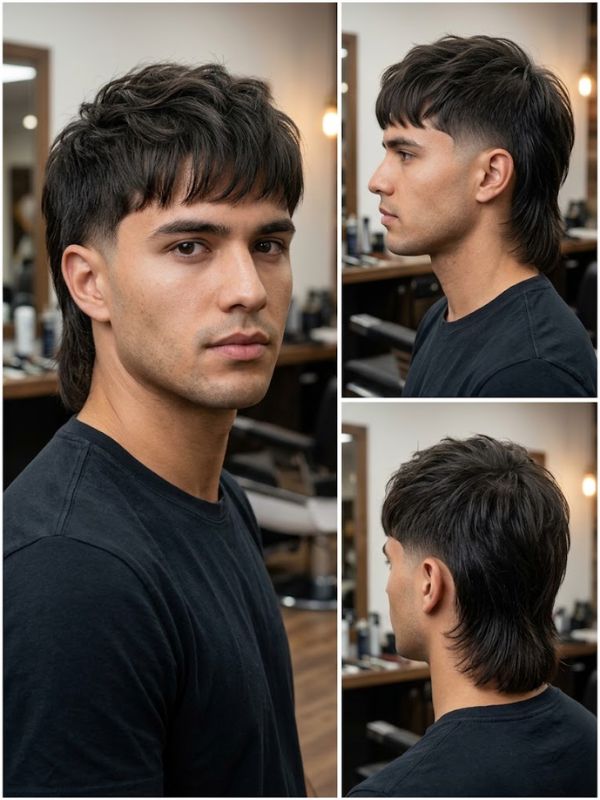
The original formula: short, tidy sides, a lightly textured top, and a controlled length at the back that falls near the collar. Clean from the front, relaxed from the side.
2. Low Taper Mullet Fade
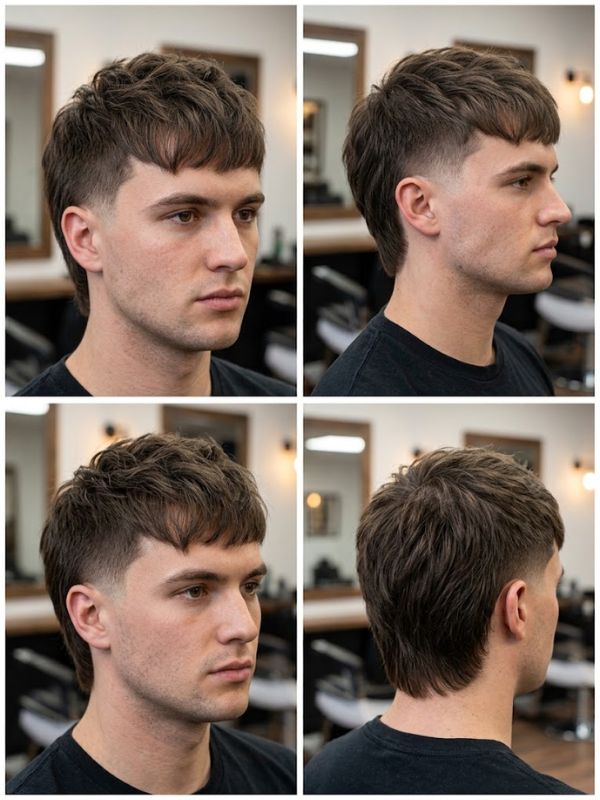
This version sharpens the blend for more visible contrast. The transition is tighter and crisper, making the sides pop against the layered back. It’s a strong pick for men who wear hats or helmets regularly, since the outline holds up even after being covered all day.
3. Low Taper Mullet for Straight Hair
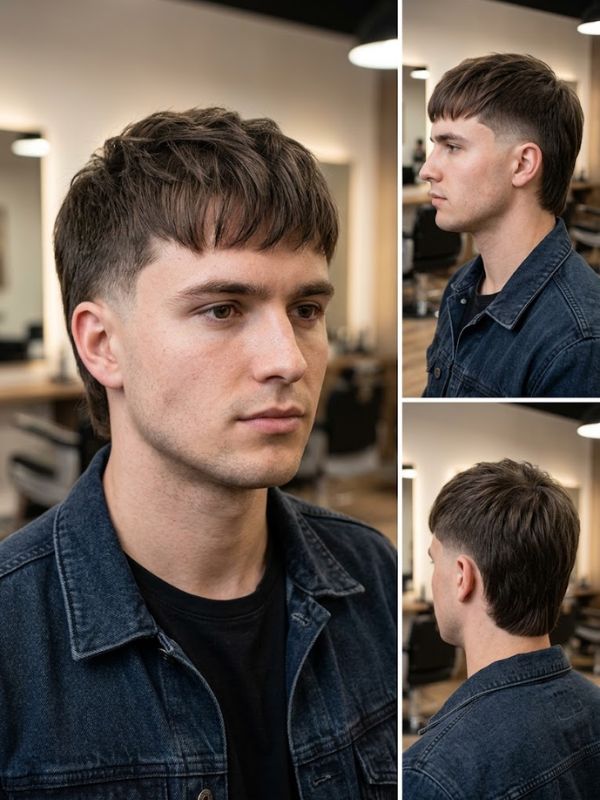
Straight hair needs deliberate layering through the back to stop the ends from clumping. This version gives a sleek, sharp finish that highlights the angles of the face.
4. Low Taper Mullet for Curly Hair
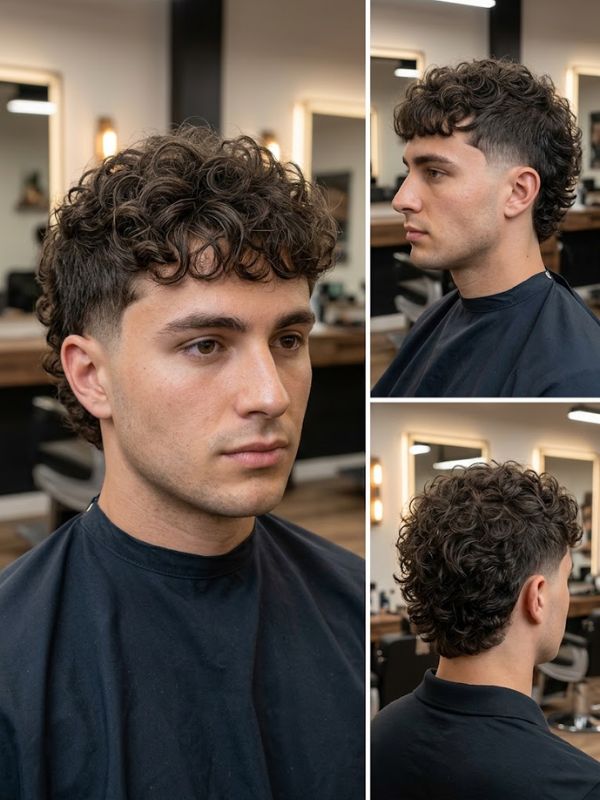
The fade keeps curly sides from expanding outward while the curls at the back stay full and bouncy. This style usually needs less daily product than straight variations.
5. Low Taper Mullet for Wavy Hair

Textured waves meet clean structure here. The fade sits just above the ear for a balanced, everyday-wearable edge that lets natural texture do most of the styling work.
6. Modern Mullet With Low Taper

A refined, sculpted take on the vintage mullet. The lines are softer, the fade seamless, and the silhouette more wearable — polished enough for a meeting, simple enough for a Monday.
7. Low Fade Mullet
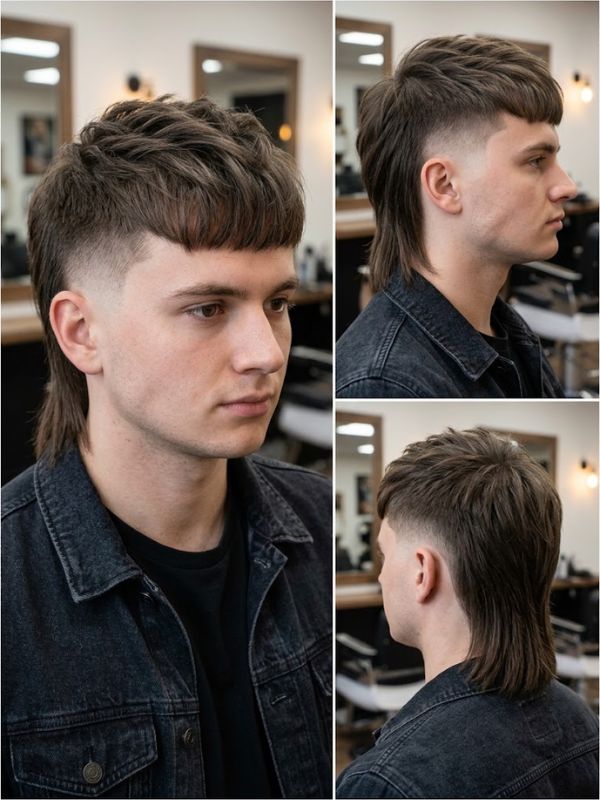
Closer to a skin-level fade without going fully bare. Bold enough to notice, clean enough to wear anywhere. It offers more contrast than a standard low taper without the upkeep of a high fade.
8. Mid Taper Mullet

For guys who want more edge than a low taper but less contrast than a high fade, the mid taper hits just above the ear. It keeps things clean while still letting natural texture take the spotlight.
9. High Taper Mullet

The boldest version, with the fade climbing higher up the sides for full contrast against the longer back. This works best for men who want maximum definition and don’t mind more frequent trims.
10. Taper Mullet

A general, adaptable version of the cut without a strict fade line — just a gradual reduction in length from top to bottom. It’s a softer, more forgiving option for first-timers.
11. Short Low Taper Mullet
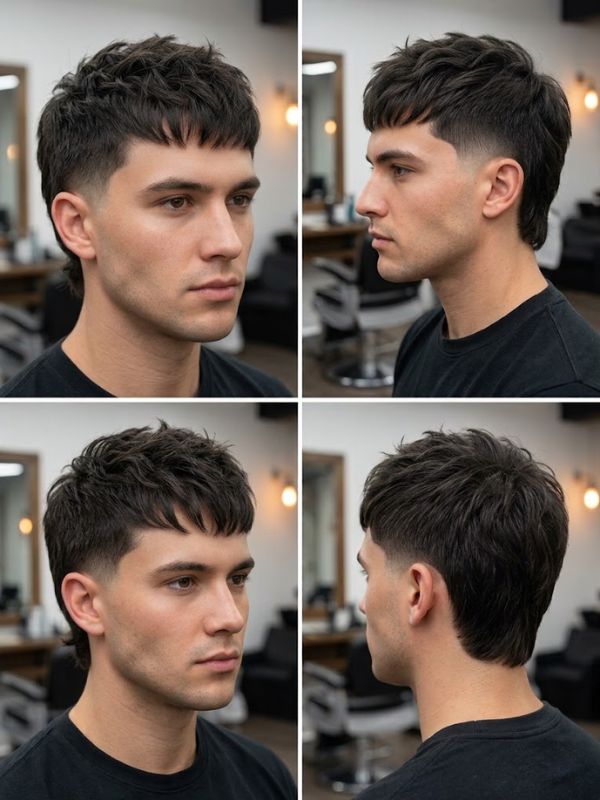
For men who aren’t ready to commit to a long back, this version keeps the length difference subtle. The back is only slightly longer than the top, so the mullet shape is present but understated.
12. Low Taper Mullet With Middle Part

A middle part adds symmetry and a cleaner frame around the face. It pairs especially well with straight or wavy hair and gives the cut a slightly more editorial look.
13. Low Taper Mullet Flow
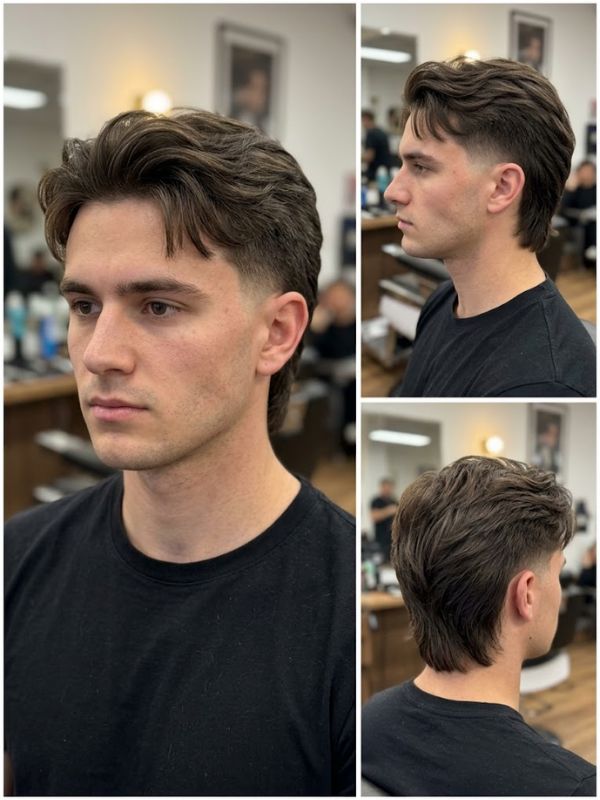
This style skips the defined mullet “shelf” at the back in favor of a fuller, continuous flow of layers. It sits between a classic mullet and a full shag, and works well on medium-length hair.
14. Low Taper Mullet for Men (All-Purpose)
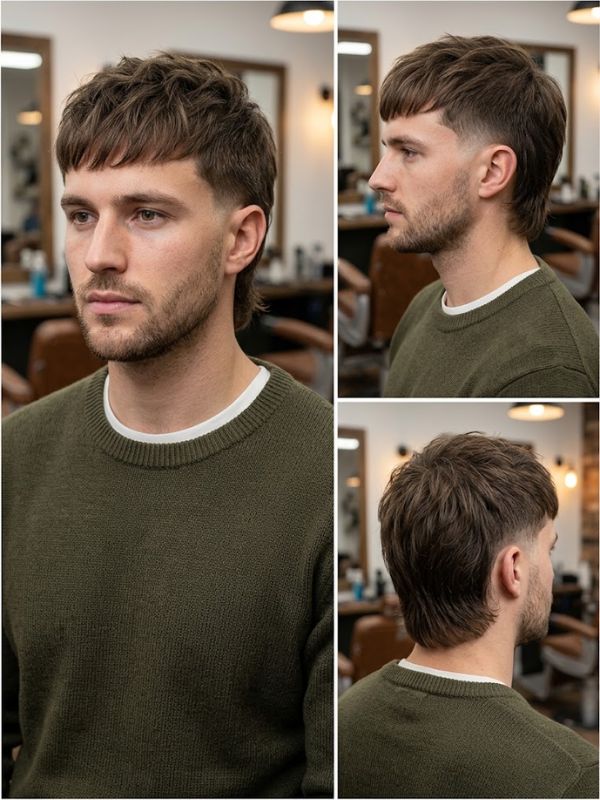
A do-it-all version built for versatility: short sides, textured top, moderate back length. It works across straight, wavy, and curly textures without major adjustments.
15. Low Taper Mullet With Textured Fringe

The front is styled into a textured fringe that falls over the forehead, while the back keeps the classic mullet length. A strong choice for anyone who wants a face-framing element up front.
Also Read This: Cowboy Mullet Haircut
How to Style a Low Taper Mullet in 3 Easy Steps
- Prep damp hair. Towel-dry your hair until it’s damp, not wet. A leave-in spray or light sea salt spray helps build texture from the start.
- Add product. Work a small amount of matte clay or texture paste through the top and back, focusing on the ends to avoid heaviness.
- Shape and set. Use your fingers to push volume where you want it — up and back for height, forward for a fringe. Let it air-dry or give it a quick blast with a hair dryer on low heat.
The whole routine takes under three minutes once you know your hair.
What to Tell Your Barber
Skip the vague requests. Use specific language so you leave the chair with the cut you actually wanted:
- “Low taper, starting an inch or two above the ear.”
- “Keep the back longer, layered, not one solid block.”
- “Textured top, not too heavy.”
- “Blend the taper into the neckline, no hard line.”
Being clear on these points takes less than a minute and dramatically increases the odds you leave happy with the result.
Low Taper Mullet Maintenance and Care Tips
- Wash smart. Use a sulfate-free shampoo two to three times a week to avoid drying out the longer back section.
- Condition the ends. The back grows longer than the sides, so it needs more moisture to avoid split ends.
- Use light products. Heavy gels weigh down the back; matte clay or light paste keeps texture without flattening it.
- Brush or comb gently. Detangle the back with a wide-tooth comb to prevent breakage.
- Protect at night. A silk or satin pillowcase reduces friction and keeps the shape between washes.
- Trim split ends early. Longer back sections are more prone to split ends; a small trim every couple of months keeps the length looking healthy rather than ragged.
- Watch product buildup. Clay and paste can accumulate at the roots over a week of daily use — a clarifying shampoo once every week or two keeps the scalp and hair from feeling weighed down.
- Adjust for weather. Humidity can puff out curly or wavy versions of the cut; a lightweight anti-frizz cream helps hold shape in summer months.
Recommended Styling Products
| Product Type | Best For | Purpose |
| Matte clay | Straight or wavy hair | Texture without shine |
| Sea salt spray | All hair types | Builds natural-looking volume |
| Curl cream | Curly hair | Defines curls, reduces frizz |
| Light-hold paste | Fine hair | Adds texture without weight |
| Leave-in conditioner | Longer back sections | Keeps ends moisturized |
How Often Should You Get a Low Taper Mullet Trimmed?
Most men need a trim every three to four weeks to keep the sides sharp. The back can go longer between cuts — six to eight weeks — since the whole point of a mullet is letting that section grow. Ask your barber to just clean up the taper on quicker visits without touching the back length.
If you’re growing the back out from scratch, expect the first two to three months to feel like an in-between stage. The sides will stay sharp on schedule, but the back needs time to reach a length where it can be shaped into a proper flow or shelf. Sticking with the same barber during this stretch helps, since they’ll remember exactly how much length you’re keeping and can adjust the taper gradually instead of restarting the shape each visit.
A simple way to track it: treat the sides on a strict schedule and the back on a flexible one. Once the back hits the length you want, ask your barber to switch to “maintenance mode,” where they only trim split ends and keep the shape consistent instead of cutting for length.
Low Taper Mullet vs Low Fade Mullet
These two get confused often, but the difference comes down to contrast.
| Feature | Low Taper Mullet | Low Fade Mullet |
| Blend style | Gradual, soft transition | Sharper, more defined line |
| Contrast | Subtle | Noticeable |
| Maintenance | Every 3–4 weeks | Every 2–3 weeks |
| Best for | Office-friendly, everyday wear | Bolder, statement looks |
| Skin exposure | Minimal to none | Slight skin show near the fade line |
If you want something you barely have to think about, go with the taper. If you want more edge and don’t mind tighter upkeep, the fade version delivers more contrast.
The taper fade mullet blends sharp modern lines with retro flair, as covered in FashionBeans’ expert style guide.
Conclusion
The low taper mullet earns its popularity by solving a real problem: it gives you a bold haircut that still looks controlled. Short, tidy sides. A textured top. A back that flows without turning into a costume. Whether you have straight, wavy, or curly hair, there’s a version of this cut built for your texture and face shape.
Pick the style that matches your routine, use clear language with your barber, and keep up with trims every few weeks that’s really all it takes to wear this look well in 2026.