35 Best Low Taper Fade Haircuts for Men (Complete Guide 2026)
If you want a haircut that’s sharp, low-maintenance, and works for literally any occasion, the low taper fade is it. It’s the quiet favorite of barbers everywhere because it never looks “done” it just looks clean.
Unlike flashier fades that scream for attention, a low taper fade blends in so smoothly that most people notice the haircut looks good before they notice it’s a fade at all. That’s exactly why it’s become one of the most requested cuts in barbershops heading into 2026.
This guide breaks down what a low taper fade actually is, 35+ of the best variations to show your barber, how it compares to other fades, and how to keep it looking fresh between visits.
What Is a Low Taper Fade Haircut?
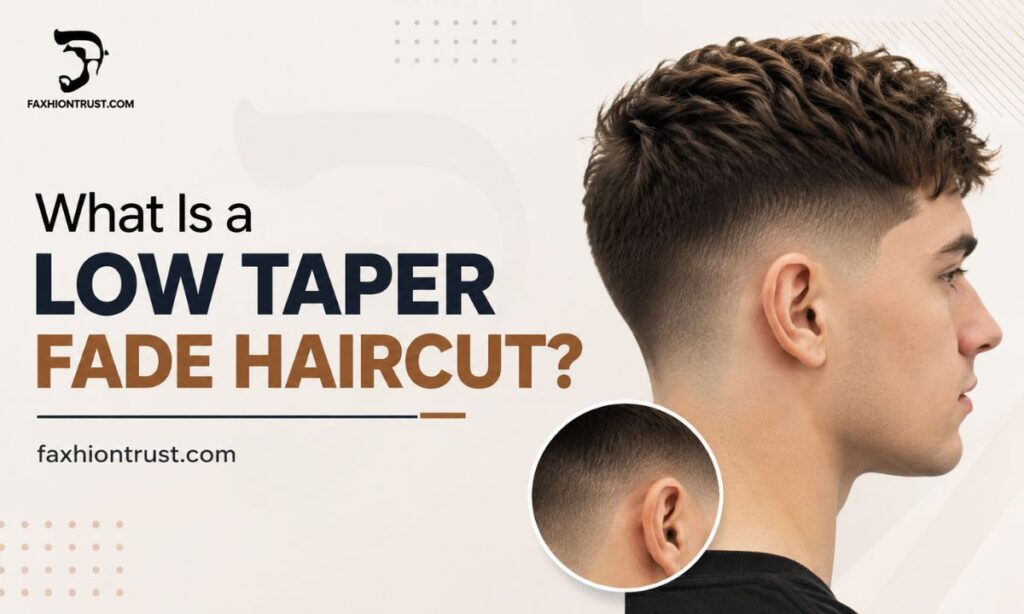
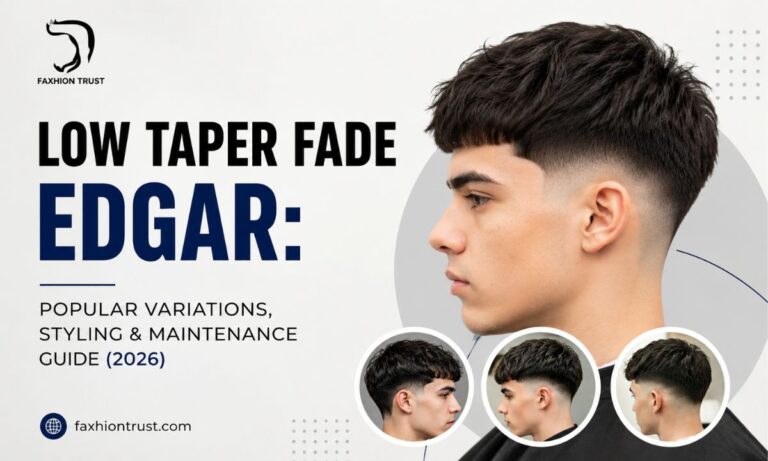
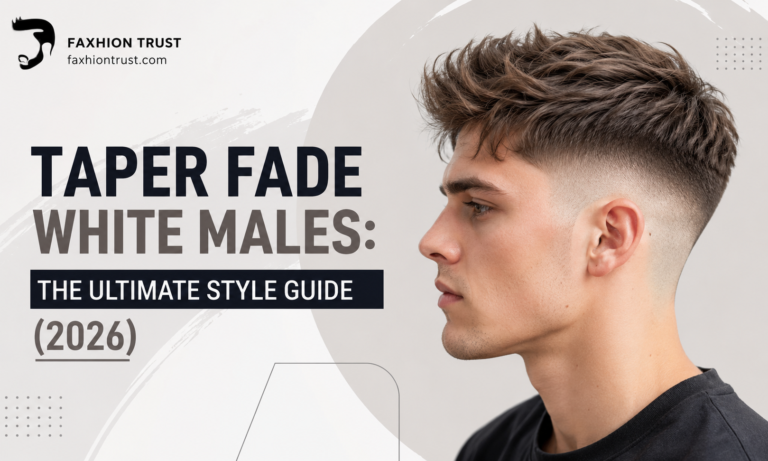
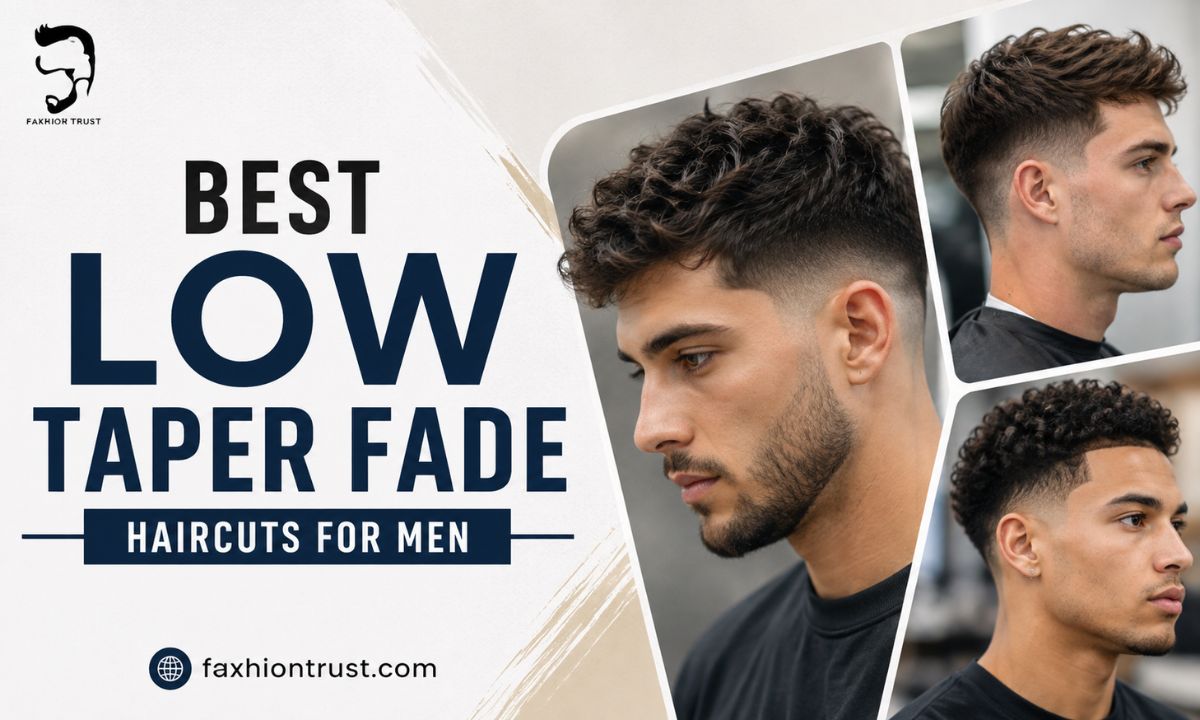
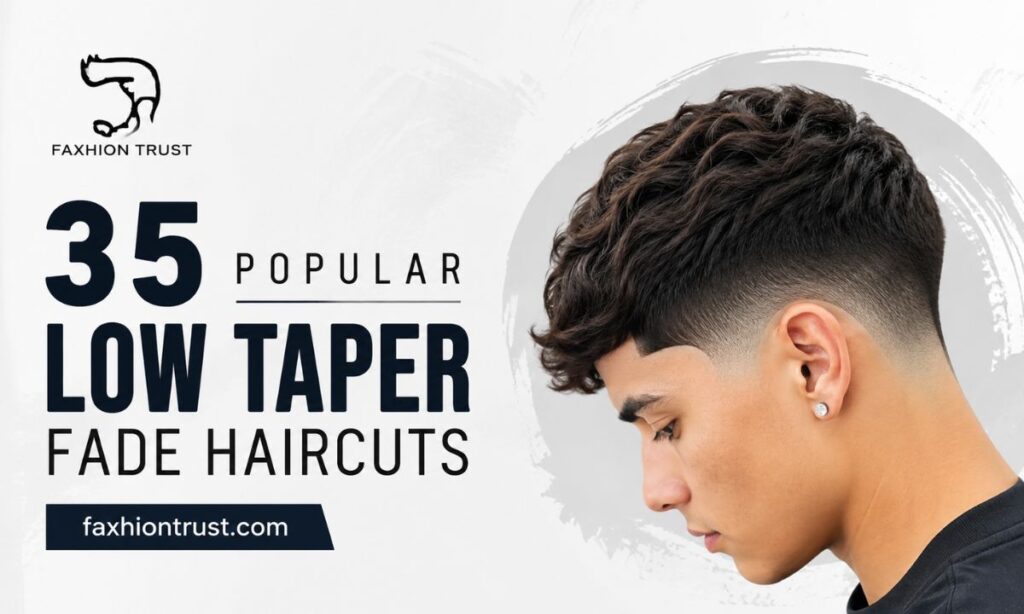
A low taper fade is a haircut where the hair gradually shortens starting near the ears and the nape of the neck, blending into the skin or very short length at the bottom. Unlike mid or high fades, the fading stays low on the head, so more length is preserved on the sides.
Key Features of a Low Taper Fade
- Fade starts low — around the ear line and neckline, not the temples
- Subtle transition — gradual blend instead of sharp contrast
- Longer top — works with almost any top length or texture
- Versatile finish — suits formal, casual, and professional settings
Who Should Get a Low Taper Fade?
Low taper fades suit almost every face shape and hair type, from straight to curly. They’re especially flattering on rounder or fuller face shapes since the low fade doesn’t add extra width at the temples. They also work well for office environments where a high, dramatic fade might feel too bold.
Why Low Taper Fades Are So Popular
Low taper fades are popular because they’re understated, easy to maintain, and grow out cleanly without losing shape. They pair with beards, curls, waves, and longer top styles, making them one of the most flexible haircuts a man can ask for.
Barbers also favor the cut because it forgives small mistakes and grows out evenly — you won’t need a fresh trim the second regrowth appears. For men who want a polished look without committing to a high-maintenance style, the low taper fade hits the sweet spot between “styled” and “effortless.”
35 Popular Low Taper Fade Haircuts
Side Swept Short Hair with a Low Taper
Short hair combed neatly to one side with a soft, low fade underneath. Clean, classic, and office-friendly.
Low Taper Fade Undercut
A sharper contrast between the top length and the low fade, giving a bold yet still subtle finish.
Brush Up with Low Taper Fade
Hair brushed straight up at the front for added height, paired with a smooth low fade for balance.
Low Drop Taper with Messy Hair
The fade line drops slightly behind the ear, curving downward, while the top stays deliberately tousled.
Textured French Crop with Low Taper Fade
A blunt fringe with choppy texture on top and a crisp low fade on the sides — trendy and low-maintenance.
Textured Short Hair with Low Taper Fade
Short, piecey texture on top with a soft, natural-looking low fade for everyday wear.
Brush Back with Taper Fade and Line Up
Hair brushed backward for volume, finished with a sharp line up along the hairline and a low fade.
Read More: Best Caesar Cuts for Men
Low Taper Fade with Messy Curls
Natural curls left loose and full on top, with the low fade keeping the sides tidy and controlled.
Thick Fluffy Hair with Low Taper Fade
Voluminous, fluffy top hair balanced by a clean, understated low fade beneath.
Low Taper Mullet
A modern mullet with longer back hair, shorter sides, and a low fade that keeps it from looking outdated.
Faux Hawk with Low Taper Fade and Design
A raised center strip styled into a faux hawk, paired with a shaved design and a low fade on the sides.
Buzz Cut with Low Taper Fade
An even, short buzz on top that fades gently into the skin — simple, sharp, and easy to maintain.
Broccoli Haircut with Low Taper Fade
Curly, textured top hair styled into the trending “broccoli” shape, contrasted by a clean low fade.
Low Taper Fade with Thick Curls
Defined, thick curls kept full on top while the low fade trims the sides without disturbing curl pattern.
Top Knot with Low Taper Fade
Longer top hair tied into a small knot, with a low fade underneath for a modern, tidy contrast.
High Top with Low Taper Fade
A retro-inspired boxy top with height, balanced by a subtle low fade rather than a dramatic high fade.
Afro Low Taper Fade
Natural afro texture kept full and round on top, with a low fade neatly shaping the perimeter.
Hard Part with Low Taper Fade
A shaved line dividing the part, adding definition to a side-swept style with a low fade base.
Long Hair on Top with Low Taper Fade
Noticeably longer top length left loose or styled back, contrasted by a tight low fade on the sides.
Short Hair with Low Taper Fade
A simple, all-around short cut with a barely-there low fade for a clean, no-fuss look.
Slick Back with Low Taper Fade
Hair combed straight back with gel or pomade for shine, finished off with a smooth low fade.
Side Part with Low Taper Fade
A defined side part with combed, polished hair on top and a soft low fade underneath.
Curly Top with Low Taper Fade
Bouncy curls left natural on top while the low fade tightens up the sides and back.
Wavy Fringe with Low Taper Fade
A forward-swept, wavy fringe framing the forehead, paired with a low fade for contrast.
Blowout with Low Taper Fade
Top hair blow-dried up and back for volume and height, balanced by a low, subtle fade.
Caesar Cut with Low Taper Fade
Short, horizontally textured fringe combined with a clean low fade — a timeless, low-effort combo.
Textured Quiff with Low Taper Fade
A voluminous, swept-up quiff on top with a crisp low fade keeping the sides sharp.
Pompadour with Low Taper Fade
Classic pompadour height and volume on top, grounded by a modern, understated low fade.
More Trending Low Taper Fade Haircuts
Fringe with Low Taper Fade
A full fringe covering the forehead, paired with a soft low fade for a youthful, low-key style.
Long Hair with Low Taper Fade
Extended top length styled loose or pushed back, kept sharp with a subtle fade at the base.
Comb Over with Low Taper Fade
A classic comb over with a defined part, finished with a smooth, professional low fade.
Short Blonde Waves with Taper Faded Sides
Bleached or naturally blonde waves on top contrasted by a clean, low-fading side.
Low Temple Taper Fade
The fade begins right at the temple line and tapers gently down — subtle and barely noticeable.
Low Taper Fade with Beard
A full or stubble beard paired with a low fade for a rugged, well-groomed overall look.
Modern Pompadour with Low Taper Fade
A contemporary take on the pompadour with a slightly messier top and a soft low fade finish.
Also Read This: Drop Fade vs Taper Fade
Low Taper Fade Haircuts by Hair Type
Straight Hair
Straight hair holds a crisp taper line well and suits classic cuts like the side part, comb over, and slick back.
Wavy Hair
Wavy hair adds natural texture to French crops, quiffs, and textured tops, making styling effortless.
Curly Hair
Curly hair pairs beautifully with a low taper since it keeps curl volume intact while cleaning up the sides.
Thick Hair
Thick hair suits high-volume styles like pompadours, blowouts, and brush-ups, with the low fade balancing bulk.
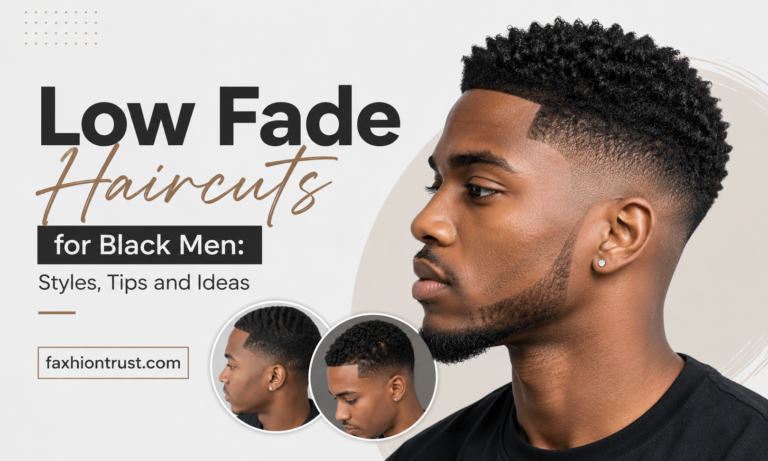
Black Men
Afros, twists, and tight curl patterns look sharp with a low taper fade that frames natural texture without flattening it.
Low Taper Fade vs Low Fade
| Feature | Low Taper Fade | Low Fade |
| Fade start point | Near ears/nape | Near ears/nape |
| Blend to skin | Not always | Often blends to skin |
| Contrast level | Subtle | Slightly sharper |
| Best for | Understated looks | Slightly bolder low looks |
A taper fade always tapers hair length gradually without necessarily reaching the skin, while a low fade often blends fully down to skin at the bottom, giving marginally more contrast. If you want the safest, most versatile option, a low taper fade is usually the better starting point — it’s easier to adjust later into a skin fade if you decide you want more contrast.
Low Taper Fade vs Mid Taper Fade
| Feature | Low Taper Fade | Mid Taper Fade |
| Starting point | Ear level | Above the ear |
| Visibility | Subtle | Noticeable |
| Best for | Conservative styles | Balanced, modern looks |
A mid taper fade starts higher on the head, creating more visible contrast, while a low taper fade keeps things understated and workplace-friendly.
Low Taper Fade vs High Taper Fade
| Feature | Low Taper Fade | High Taper Fade |
| Starting point | Ear level | Near the temple/crown |
| Contrast | Minimal | Bold, dramatic |
| Best for | Classic, subtle style | Statement, edgy style |
High taper fades create a much bolder look with sharper contrast, while low taper fades stay quiet and versatile.
Taper Fade vs Skin Fade
A taper fade gradually shortens hair without necessarily exposing skin, keeping a soft finish. A skin fade blends hair completely down to the skin for a sharper, more defined edge. Low taper fades can be styled either way, depending on how bold you want the sides to look.
How to Ask Your Barber for a Low Taper Fade
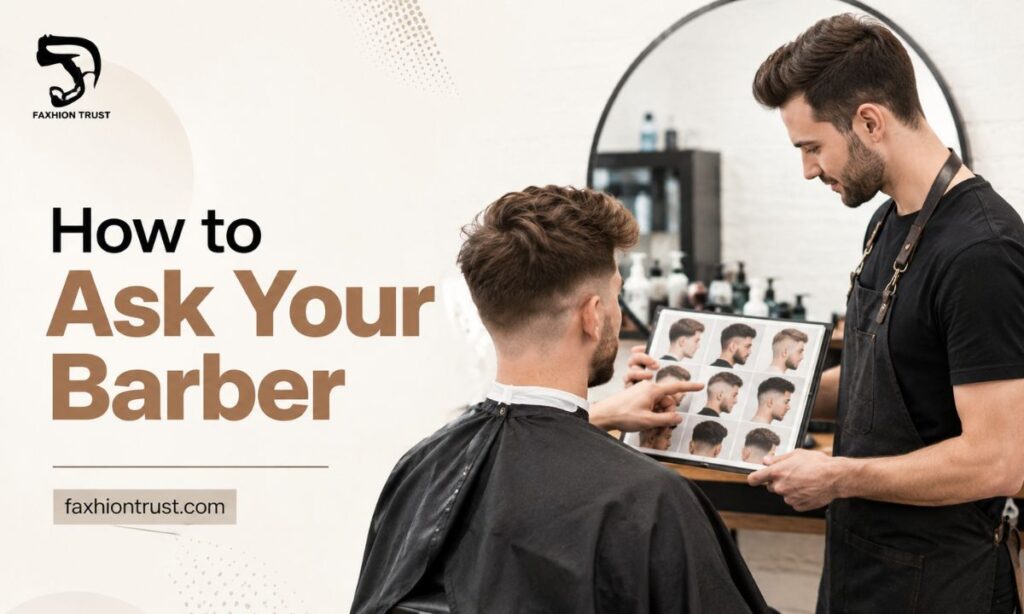
- Tell your barber you want the fade to start at the ear line or nape, not higher
- Specify if you want it to blend to skin or stay soft with visible length
- Bring a reference photo matching your hair type and top style
- Mention your top length (short, medium, long) so they can plan the blend
- Ask for a guard number you’re comfortable with (usually a 1 or 2 for the shortest point)
- If you’re unsure, ask them to “keep it low and natural” rather than sharp and dramatic — this phrase alone helps most barbers understand the subtle finish you’re after
Good communication matters more than the terminology. A quick photo plus a clear starting point (ear level, nape) will get you a far more accurate result than trying to describe the cut from memory.
How to Maintain a Low Taper Fade
- Get it touched up every 2–3 weeks to keep the fade line sharp
- Use a lightweight pomade or clay based on your top style
- Trim regrowth at the neckline and ears between visits if needed
- Moisturize the scalp, especially if you keep the sides very short
- Brush or comb daily to train hair direction and maintain shape
- Wash with a gentle, sulfate-free shampoo to keep both the top and faded sides healthy
- Ask your barber to show you the clipper guard used, so you (or another barber) can replicate the same fade consistently
A well-maintained low taper fade should never look like it “needs a cut” — the whole point of the style is a slow, clean grow-out that still looks intentional weeks later.
For a deeper breakdown of taper vs. fade techniques, check out Pete & Pedro’s guide to mastering taper fade haircuts.
Final Thoughts
The low taper fade earns its popularity by being genuinely flexible — it works with straight, wavy, curly, and coily hair, suits nearly every face shape, and pairs with dozens of top styles from buzz cuts to pompadours.
Whether you want something classic or a bit more expressive, there’s a low taper fade variation on this list for you. Bring a reference photo to your next barber visit and start with the subtle, low-maintenance style that never goes out of fashion.