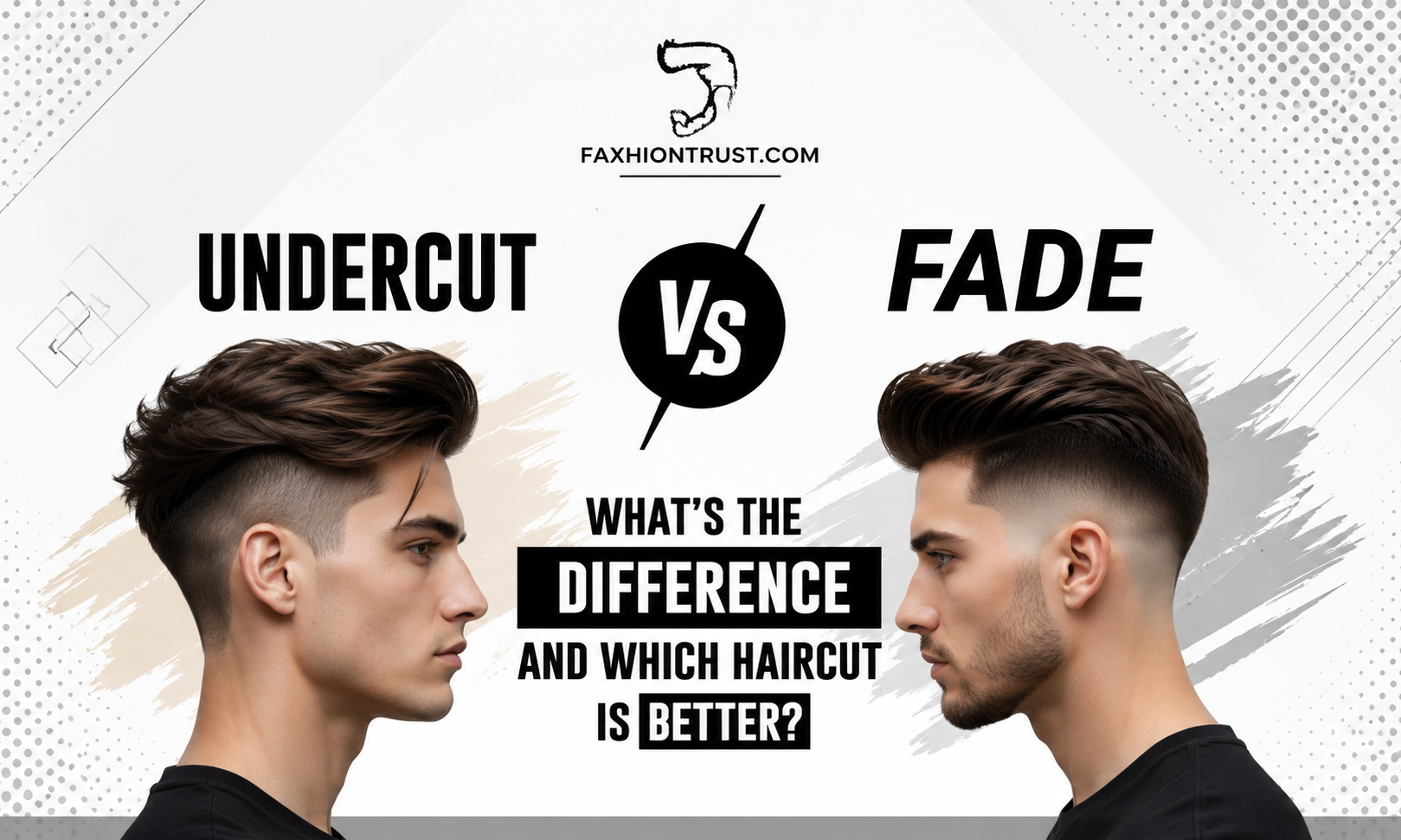
Undercut vs Fade: What’s the Difference and Which Haircut Is Better?
When it comes to choosing the right men’s haircut, the undercut vs fade debate is one of the most common conversations happening in barbershops today. Both styles are clean, modern, and endlessly popular — but they work very differently, look very different, and suit very different men. If you’ve ever pointed at a photo and still walked out with the wrong cut, this guide is for you.
Understanding the real difference between an undercut vs fade helps you communicate clearly with your barber and choose a style that actually fits your face shape, hair type, and daily routine. Whether you want something bold and edgy or clean and professional, this complete breakdown covers everything you need to make the right call — no guesswork, no regrets.
What Is a Fade Haircut?
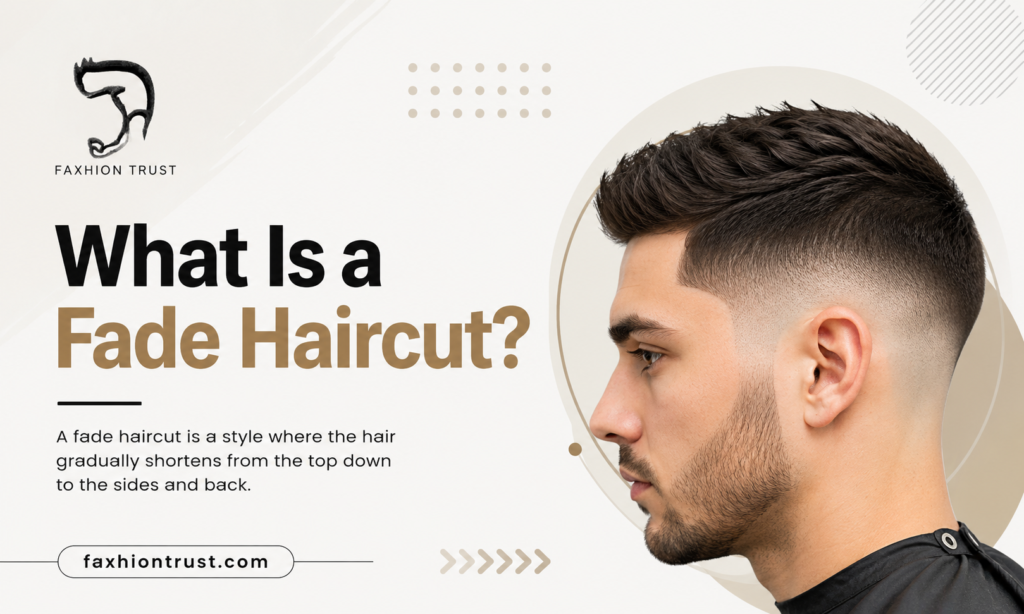
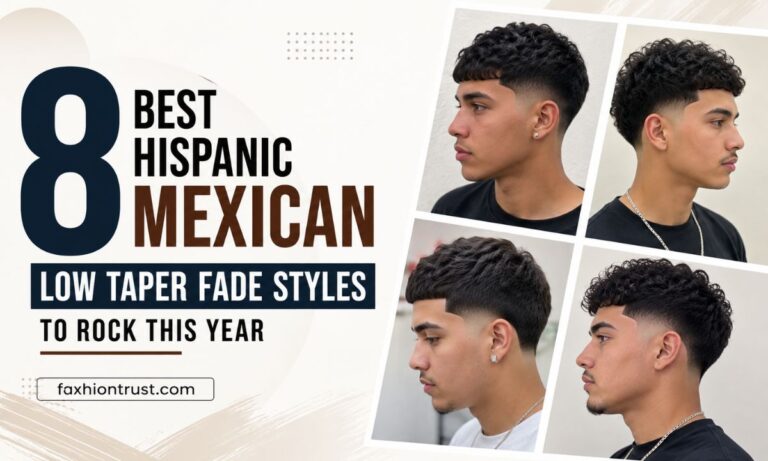
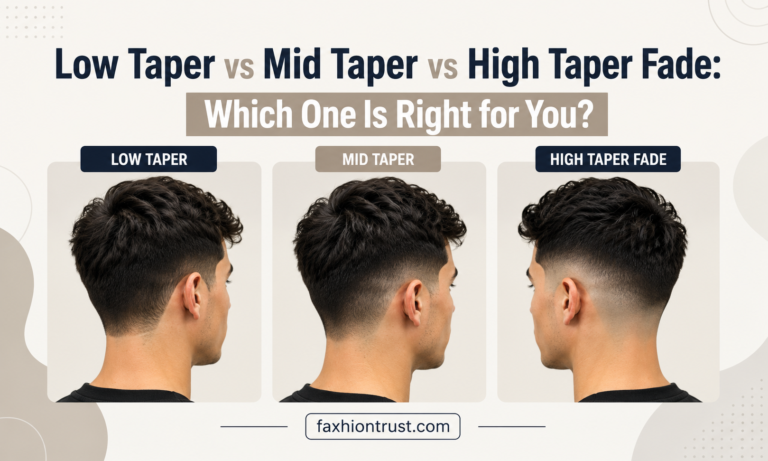
A fade is a cutting technique where hair gradually gets shorter from the top down to the neckline, creating a smooth, seamless blend. The sides and back taper progressively — no harsh lines, no abrupt stops. Fades come in three main heights: low, mid, and high, each changing how dramatic the transition looks.
The result is a clean, structured look that works across almost every setting — from a corporate office to a weekend outing.
What Is an Undercut Haircut?
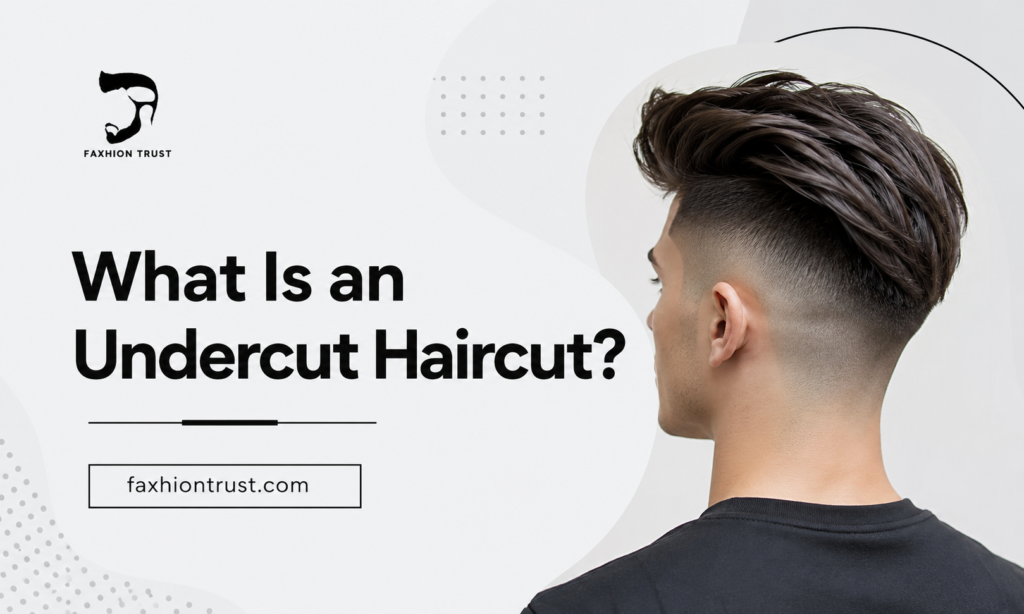
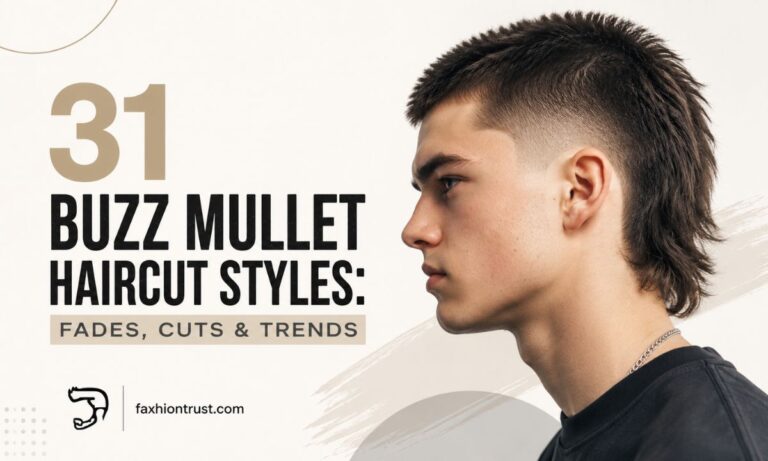
An undercut is a specific style where hair on top is left long while the sides and back are clipped very short or shaved — with no blending between the two sections. That sharp, disconnected contrast between the long top and short sides is what defines it.
Originally popular in the early 1900s, the undercut has made a strong comeback as a bold, edgy statement cut that pairs well with slicked-back styles, pompadours, and textured tops.
Undercut vs Fade: Quick Comparison Table
| Feature | Undercut | Fade |
| Transition | Abrupt, disconnected | Smooth, gradual blend |
| Contrast | High contrast | Low to medium contrast |
| Maintenance | Every 3–4 weeks | Every 2–3 weeks |
| Best Hair Type | Thick, straight, or wavy | Most hair types |
| Styling Effort | High (daily styling needed) | Low to moderate |
| Professional Setting | Works (bold look) | Works easily |
| Versatility | Moderate | High |
Key Differences Between an Undercut and a Fade
Hair Length Transition
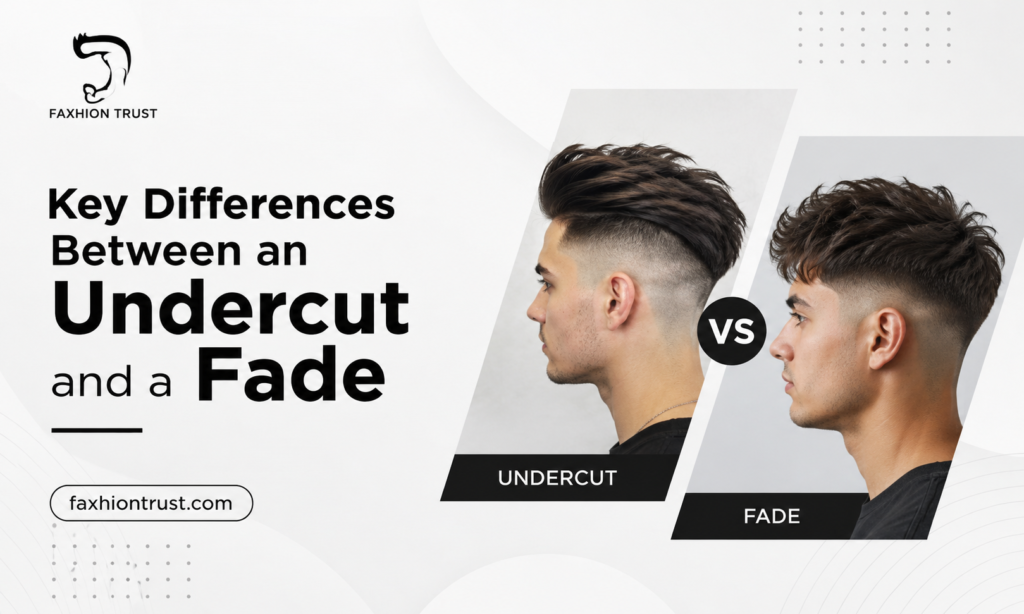
This is the biggest difference. With an undercut, the top hair simply stops at the sides — there’s a clear, visible line with no gradual change. With a fade, the hair transitions smoothly from longer on top to shorter at the bottom. The fade literally “blurs” at the sides, which is why it looks polished in almost any context.
Overall Look and Contrast
The undercut vs fade contrast difference is dramatic. An undercut creates a bold, architectural separation — high contrast, statement-making. A fade creates a more harmonious, refined look. If you want people to notice your hair instantly, go undercut. If you want to look sharp without shouting about it, the fade wins.
Styling Options
Both cuts give you flexibility on top, but the undercut demands more from you. Since the harsh contrast between top and sides is visible, the top needs to be styled properly — otherwise the look falls flat. Fades are more forgiving. Whether your top is messy or slicked, the fade still frames your face well.
Maintenance and Upkeep
Fades need slightly more frequent barber visits (every 2–3 weeks) to keep the blend sharp. An undercut can go a little longer — about 3–4 weeks — since the sides are consistently short without a gradient to maintain. However, undercuts require more daily styling effort at home.
If you’re curious how long your fresh cut will actually hold, check out this guide on how long does a fade last for a detailed breakdown by fade type.
Professional Appearance
Both can work in professional environments, but the fade has a natural advantage. Its clean, blended finish reads as polished and put-together across industries. The undercut’s high contrast can lean edgy depending on styling — which may or may not fit your workplace vibe.
Undercut vs Fade: Which Is Better for Your Face Shape?
Round Face
Go with an undercut. The sharp contrast adds angles and vertical length, making a round face appear slimmer and more structured.
Square Face
A low or mid fade works best. It softens the strong jawline without adding extra width. Avoid very high-contrast cuts that emphasize the square shape further.
Oval Face
Lucky you — both undercut and fade look great on oval faces. This is the most versatile face shape, so the choice comes down to personal preference and lifestyle.
Heart-Shaped Face
A deep mid or high fade balances the wider forehead and narrower chin by drawing attention downward. Avoid styles that add too much volume at the top.
Diamond Face
A low fade or a soft undercut with textured styling helps here. The goal is to avoid extremes — both the forehead and chin are narrow, so balance is key. For more on the best haircuts for diamond face shape males, that full guide covers every compatible style.
Long or Rectangular Face
A low fade with volume on top adds width without adding length. Skip the undercut’s extreme height — it elongates an already long face.
Which Hair Types Work Best?
Straight Hair
Both cuts suit straight hair, but the undercut really shines here. The sleek, flat texture emphasizes that sharp line between top and sides, making the disconnected look crisp and intentional.
Wavy Hair
Fades handle wavy hair beautifully. The gradual taper keeps the sides controlled while the natural wave on top adds texture and body. Undercuts can also work with wavy hair when styled with a light pomade or texturizing spray.
Curly Hair
A fade is the safer bet for curly hair. It controls volume at the sides while letting curls do their thing on top. An undercut with curls can look great, but the harsh line may appear uneven as curls grow out unevenly.
Thick Hair
Undercuts are made for thick hair. The disconnected style showcases density, and the bold contrast looks intentional rather than heavy. Thick hair holds the long top well without going flat.
Thin or Fine Hair
Go with a fade. It creates the illusion of volume and keeps the sides from looking sparse. A high-contrast undercut can expose thinning areas and make fine hair look even weaker.
Popular Variations to Consider
Undercut Low Fade
A hybrid style — the sides fade gradually from the bottom but disconnect sharply before reaching the top. It softens the classic undercut while keeping its bold identity. Great if you want the undercut look with a slightly more refined edge.
Disconnected Undercut
The most dramatic version of the undercut. There’s zero blending — the long top and shaved sides are completely separate. This is for men who want maximum contrast and aren’t afraid to style daily.
Low Fade Haircut
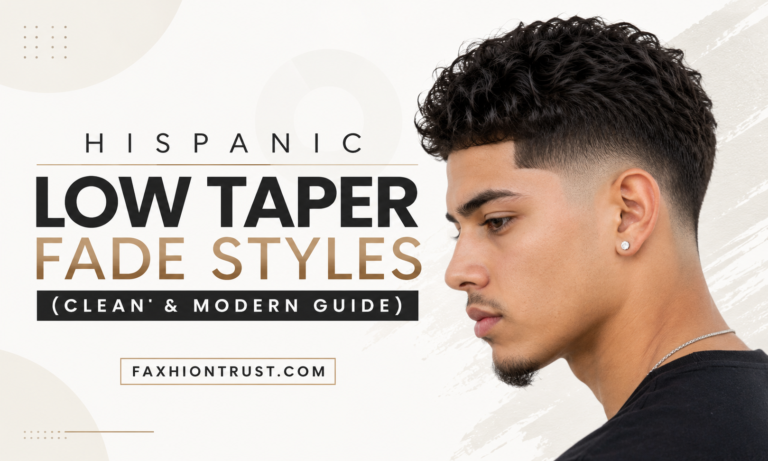
The most professional and versatile fade option. Hair starts blending close to the ear and stays longer on the sides. It’s subtle, clean, and grows out gracefully — ideal for men who see their barber every few weeks. For a full breakdown of fade heights and how to choose between them, this guide on low taper vs mid taper vs high taper fade is worth reading.
Skin Fade
Also called a bald fade, this takes the sides all the way down to skin level. It’s the sharpest, most high-maintenance fade variation. Works with most top styles and looks especially clean on medium to dark hair. For a broader look at trending men’s cuts, styles, and grooming tips backed by experts, Hims’ guide to the best men’s haircuts is a solid high-authority reference worth browsing before your next barber visit.
Pros and Cons of an Undercut
Pros:
- Bold, high-contrast look that stands out
- Works exceptionally well with thick, dense hair
- Sides stay short longer between visits
- Highly versatile top styling (slick back, quiff, textured crop)
Cons:
- Requires daily styling — the top needs product and effort
- Doesn’t suit thin or fine hair
- Can look awkward as it grows out
- Less adaptable to professional or conservative settings
Pros and Cons of a Fade
Pros:
- Suits almost every face shape and hair type
- Works in professional and casual settings equally
- Lower daily styling requirement
- Grows out more naturally between visits
Cons:
- Needs more frequent barber trips to maintain the blend
- Less dramatic — if you want edge, it may feel too subtle
- Skin fades require extra upkeep and show regrowth quickly
Should You Choose an Undercut or a Fade?
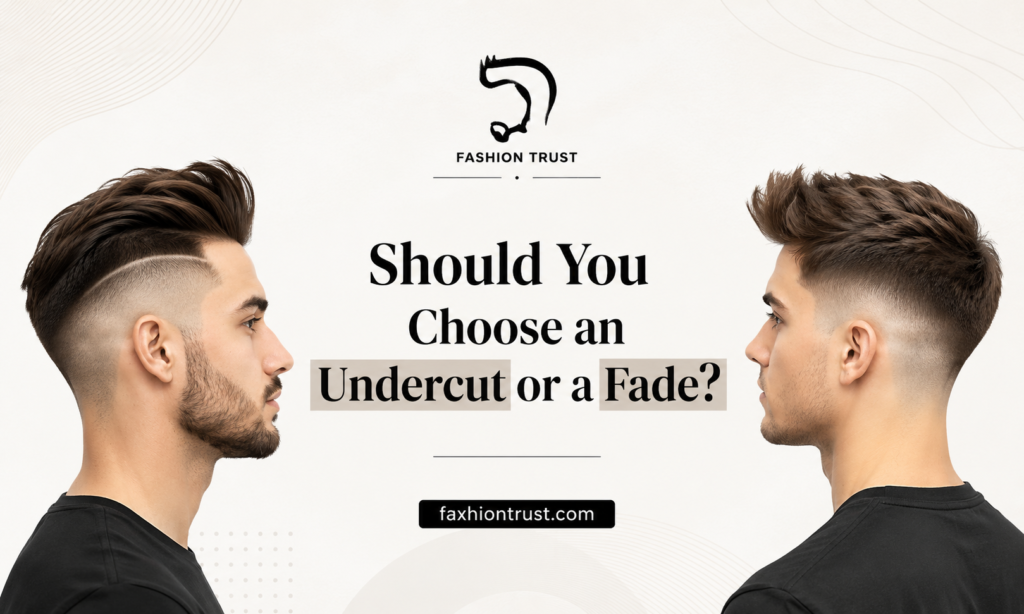
Here’s a simple way to decide in the undercut vs fade debate:
- Choose an undercut if: You have thick or straight hair, you don’t mind styling daily, and you want a bold, high-contrast look that makes a statement.
- Choose a fade if: You want something versatile, low-effort, and suitable for both work and weekends — or if your hair is fine, wavy, or curly.
For most men, the fade is the smarter everyday choice. It’s more adaptable, more forgiving, and easier to maintain without sacrificing sharpness.
Final Verdict
The undercut vs fade choice ultimately comes down to your lifestyle, hair type, and how bold you want to go. Both haircuts are sharp, modern, and timeless in their own right.
If you want a no-fuss, always-sharp cut that works everywhere — get the fade. If you want structure, contrast, and a style that demands attention — the undercut delivers.
Either way, communicate clearly with your barber, know your face shape, and choose based on your daily routine. That’s how you walk out of the chair looking exactly how you planned.