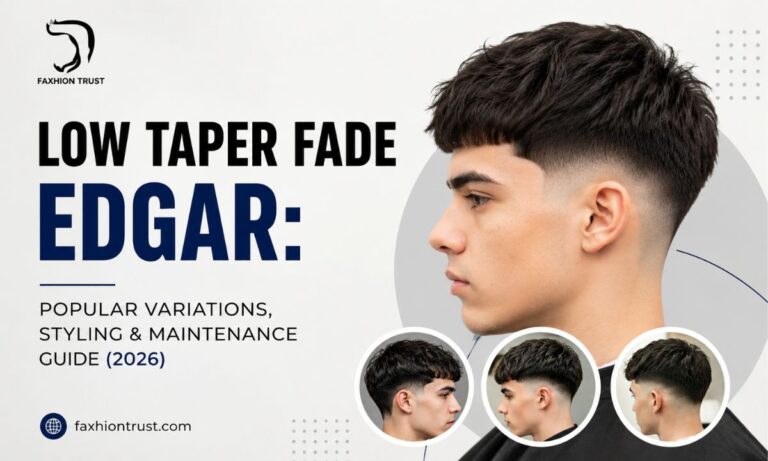

Taper Fade Alto: Best Styles, Trends & Complete Guide
If you’ve spent any time in a barbershop chair lately, you’ve probably heard someone ask for a “taper fade alto.” It’s one of the most requested men’s haircuts right now, and for good reason. It’s sharp, it’s flexible, and it works whether you’re heading to the office or out with friends on a Saturday night.
This guide covers everything you need to know: what the cut actually is, the styling options that go with it, related fades like the bajo and medio versions, the French crop pairing, and how to keep it looking fresh between barber visits.
What is a Taper Fade Alto?

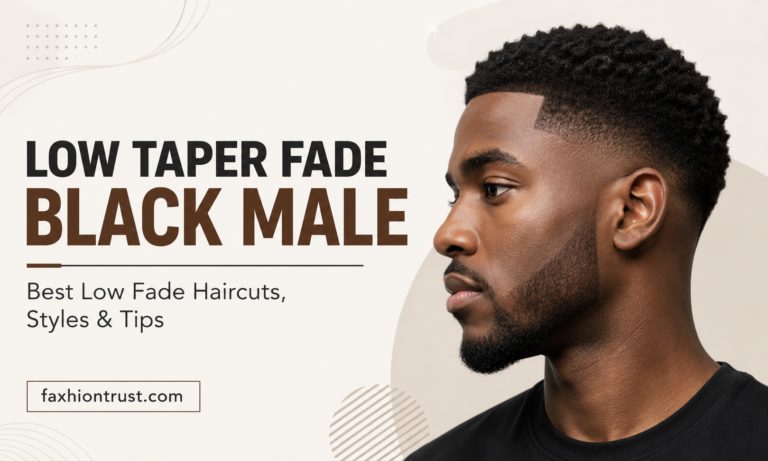
A taper fade alto (also called a high taper fade) is a haircut where the fade begins high on the head, usually just above the temples, and blends smoothly down to skin or a very short length near the neckline and ears. The “alto” simply means high in Spanish, and it describes where the fade starts, not how it ends.
This high starting point creates a bold contrast between the longer hair on top and the tightly faded sides. Barbers typically work through a sequence of clipper guards, starting around a #3 or #4 near the top of the fade and moving down to a #1 or bare skin, to get that seamless gradient effect.
What sets the alto apart from other fades is the drama it creates. Because the transition starts higher up, the difference between top and sides is more noticeable, which is exactly why it photographs so well and stands out in a crowd.
Styling Options for a Taper Fade Alto
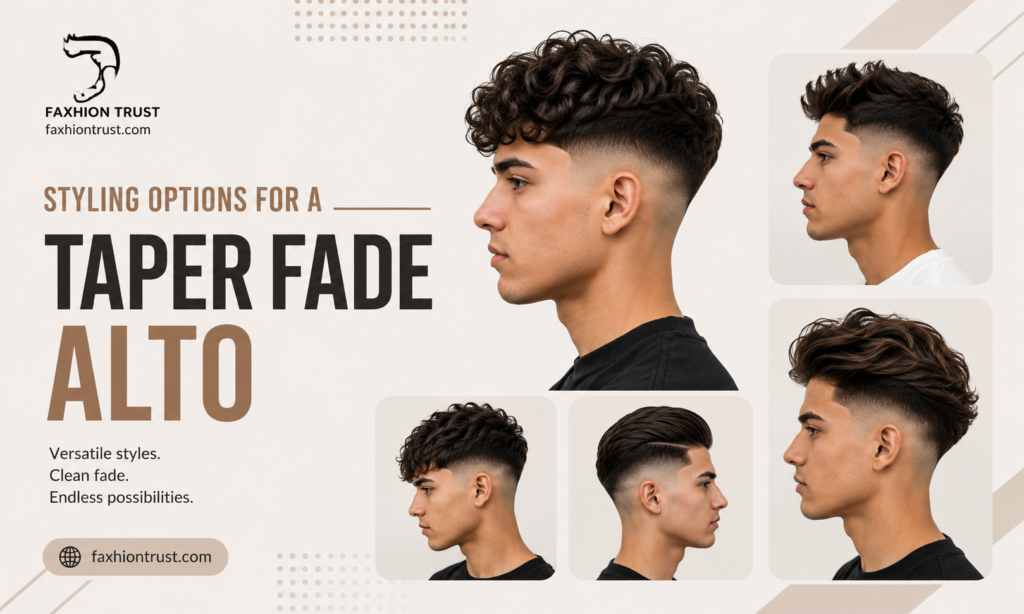
One of the biggest reasons this cut has stayed popular is how adaptable it is. The fade itself stays consistent, but the top section can be styled dozens of different ways depending on your hair type, face shape, and how much time you want to spend in front of the mirror each morning.
Here’s a quick comparison of the main styling routes:
| Style Variation | Top Length | Maintenance Level | Best For |
| Pelo Liso (Straight) | 2–4 inches | Medium | Sleek, polished looks |
| Pelo Corto (Short) | 1–2 inches | Low | Busy schedules, first-timers |
| Pelo Largo (Long) | 4–6+ inches | High | Bold, versatile styling |
| Con Diseño (With Design) | Any length | High | Making a statement |
Taper Fade Alto Pelo Liso
Straight hair works beautifully with a taper fade alto because it lies flat and shows off clean lines without much effort. The fade looks crisp against smooth, straight strands, and there’s very little frizz to fight with during styling.
To style it, apply a light pomade to damp hair and comb it into place. A side part or a simple forward sweep both work well here. Because straight hair holds its shape naturally, you won’t need heavy products, just enough to add shine and control flyaways.
Taper Fade Alto Pelo Corto
Short hair on top paired with a high fade is about as low-maintenance as this haircut gets. With only an inch or two of length up top, you can run a small amount of matte cream through it and be out the door in under two minutes.
READ MORE: Buzz Cut Lengths
This version is popular with guys who want a clean, professional look without a long morning routine. It also tends to grow out more gracefully than longer variations, meaning you can sometimes stretch the time between trims.
Taper Fade Alto Pelo Largo
Keeping longer hair on top, anywhere from three to six inches, opens the door to more dramatic styling. You can slick it back, style it into a textured quiff, or leave it loose for a relaxed, tousled finish. Against the sharply faded sides, longer top hair creates striking volume and contrast.
This option needs more upkeep. Expect to use a leave-in conditioner to keep the length healthy, plus a wax or matte cream depending on whether you want hold or texture.
Taper Fade Alto Con Diseno
Adding a design turns a standard fade into something more personal. Barbers use trimmers to carve lines, geometric shapes, or custom patterns directly into the faded section. Simple line work and zigzag patterns tend to be the most requested designs.
Keep in mind that hair grows fast, and a design can start looking rough within a week or two. If you want to keep it sharp, plan on more frequent barber visits than a plain fade would require.
Taper Fade Bajo

The taper fade bajo is the low-placed version of this cut, with the fade beginning near the ears instead of above them. Because the transition starts lower, the contrast is softer and more subtle, which makes it a solid choice for conservative workplaces or anyone easing into the world of fades for the first time.
Many people actually start with a bajo before working their way up to an alto once they’re comfortable with a faded look. It still delivers a modern edge, just with less of a statement.
Corte de Pelo Taper Bajo
This term is essentially the Spanish-language name for the low taper cut, and it’s especially popular across Latin American barbershops. A corte de pelo taper bajo keeps noticeably more length on the sides compared to a high fade, tapering gradually rather than dropping sharply to skin.
It’s a great pick for round face shapes because it preserves width along the sides instead of stripping it away, which helps keep facial proportions balanced.
Taper Fade Medio
Sitting between the alto and the bajo, the taper fade medio (mid fade) starts around the temple area. It offers noticeably more contrast than a low fade while staying a step below the boldness of a high fade. This middle-ground placement makes it one of the most versatile fade options, since it suits a wide range of face shapes and hair textures without leaning too far in either direction.
Low Fade Medio
A low fade medio is a slight variation where the fade begins just at or slightly below the mid-fade zone, creating a gentler blend that still has some visible contrast. It’s a good option if you want a bit more definition than a true low fade offers, but you’re not ready for the sharper look of a full mid or high fade.
Low Taper
The low taper keeps things simple and understated. The fade starts low, close to the ear and neckline, and blends gradually rather than creating a stark line. This makes it one of the most work-friendly, easy-to-maintain fade styles available, and it pairs well with almost any top length or texture.
Fade Bajo
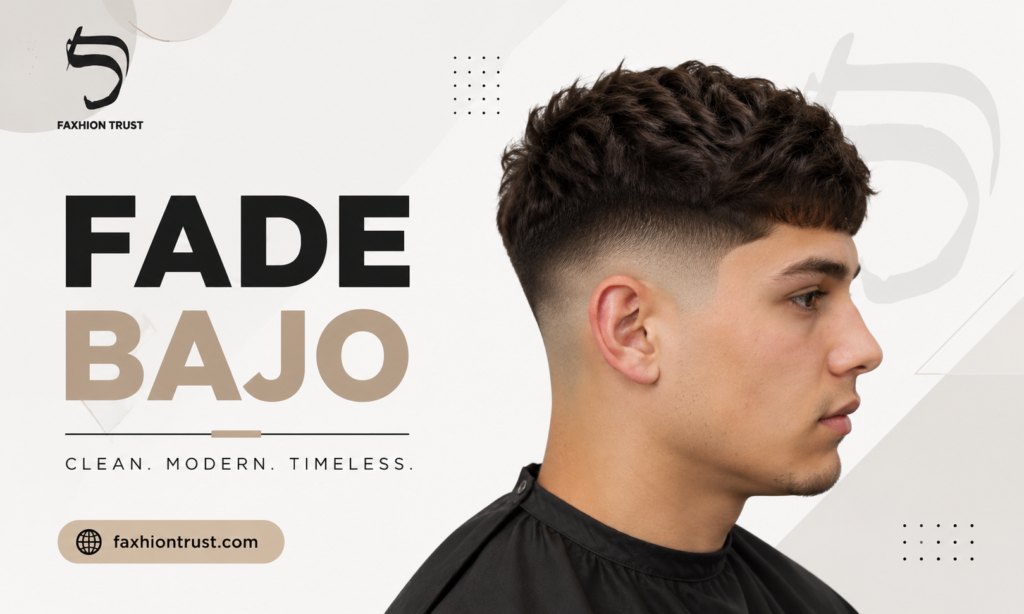
“Fade bajo” is another way of referring to the low fade family in general. It covers any haircut where the fading starts near the ears rather than higher up on the head. Compared to mid or high fades, a fade bajo grows out more slowly and looks neat for longer between trims, which is why it’s a favorite for guys who don’t want to sit in the barber chair every two weeks.
French Crop
The French crop is a classic top style featuring short, textured hair with a horizontal fringe across the front. On its own, it’s already a clean, low-maintenance cut, but it’s most often paired with a fade on the sides to modernize the look. The crop works with straight, wavy, or curly hair, and it can be styled anywhere from neat and controlled to slightly messy and textured.
For expert barber insights on choosing the right fade for your face shape and hair type, check out Man of Many’s taper fade guide.
French Crop con Taper Fade Alto
Combine the French crop with a high taper fade, and you get a haircut that balances a structured, defined top with dramatic faded sides. The high fade draws attention upward, making the cropped fringe stand out even more.
This pairing works well for oval, square, and round face shapes, and it adapts easily to straight, wavy, or curly textures. Because the top stays short, daily styling is quick, usually just a small amount of matte clay worked through damp hair to define the fringe and add texture.
Real-Life Examples of Taper Fade Alto Success

This cut has moved well beyond a passing trend. Walk through any city center and you’ll spot it on college students, office workers, athletes, and musicians alike. Barbers report that requests for high fades have grown substantially over the past several years, often making up a large share of their weekly bookings.
Part of the appeal is how well it translates across different settings. The same base cut can look polished for a job interview or edgy for a night out, depending on how the top is styled. That flexibility is a big part of why it keeps showing up across social media and in real barbershops alike.
Also Read This: Mexican Taper Fade Haircut
Tips for Maintaining Your Taper Fade Alto
A sharp fade doesn’t stay sharp on its own. Regular upkeep is what separates a clean cut from one that looks grown-out and messy.
- Book a fade touch-up every 2 to 3 weeks to keep the lines crisp
- Use quality styling products; cheap ones can weigh hair down or cause buildup
- Wash with a gentle shampoo 2 to 3 times a week to avoid stripping natural oils
- Apply a leave-in conditioner if you’re keeping more length on top
- Use a soft-bristle brush to train hair direction and distribute product evenly
- Sleep on a satin pillowcase to reduce friction and help your style last overnight
Consistency matters more than any single product. Skipping appointments means the fade loses its shape faster, and you’ll need a more dramatic cut to bring it back.
Why Choose a Taper Fade Alto?
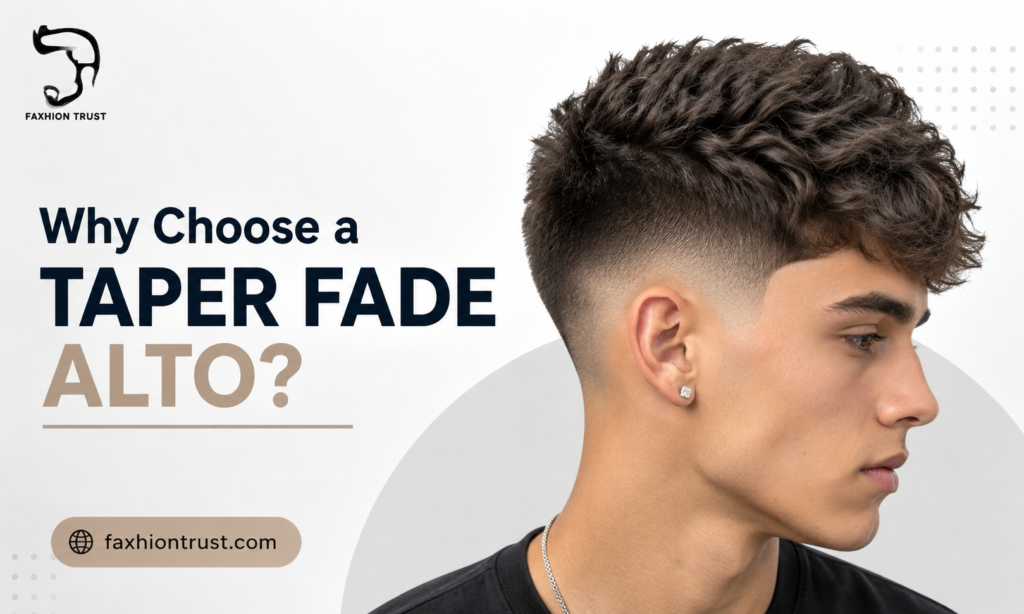
This haircut earns its popularity by working across nearly every hair type, face shape, and lifestyle. The high fade adds instant structure and draws the eye upward, which tends to flatter oval and square faces especially well.
It’s also genuinely low-commitment in terms of style changes. You can adjust the top length, add texture, try a design, or switch up your part, all without changing the base fade underneath. That means you get variety without needing a completely new haircut every time you want a fresh look.
Finally, it holds up in professional settings just as well as casual ones. The clean lines read as put-together and intentional, which is part of why it’s become a staple rather than a fleeting trend.
Conclusion
The taper fade alto has stuck around because it genuinely delivers on style, versatility, and ease of maintenance. Whether you prefer pelo liso, pelo corto, or pelo largo on top, or you want to experiment with a design, a French crop, or a lower and softer bajo or medio version, there’s a variation of this cut that fits your lifestyle.
If you’re ready to try it, bring a reference photo to your next barber appointment, talk through your daily routine, and commit to regular trims. The sharp look is worth the upkeep, and once you find the version that fits you, it’s easy to see why this fade has become a modern classic.